What is Alcohol?
Alcohol is the most commonly consumed legal drug in Canada. Also known as ethanol (EtOH; Chemical formula: C₂H₅OH), alcohol is produced through the fermentation of fruits, grains or vegetables. The fermented alcohol may then be concentrated through a process known as distillation, which increases its alcohol content.
While drinking is largely socially accepted, alcohol carries risks of adverse health and social consequences due to its intoxicating, toxic and dependence-producing properties. In fact, alcohol is the substance that contributes to the most social and economic costs in Canada.
Prevalence of Use:
Past Year Use of Alcohol in Canada
In Canada, alcohol is the most widely used psychoactive substance, with historical surveys indicating that a substantial majority of adults have consumed alcohol at some point in their lives, reflecting its deep entrenchment in society despite well-documented health and social harms.
General Population (2023)
Data source: CSUCH
Prevalence estimates produced from the Canadian Substance Use Costs and Harms (CSUCH) show that in 2023, 77.6% of people living in Canada aged 15 and older drank alcohol at least once in the last year. This estimate has remained relatively stable since 2008 (77.3%). Regional prevalence of alcohol use in the past year ranged from 67.2% (18,871) in Nunavut to 82.6% (6.1 million) in Quebec. Overall, past-year use of alcohol was higher among males (80.8 %) than females (74.5%), a trend that remains consistent across all regions. Adults aged 35–64 were more likely to report using alcohol in the past year (80.9%) than those aged 15–34 (78.6%) and adults aged 65+ (69.5%).
Youth Drinking
Underage Drinking
Post Secondary Students Drinking
The most current data in Canada on secondary student drinking is captured by the Canadian Student Alcohol and Drugs Survey (CSADS). The latest CSADS data show that fewer students in grades 7–12 are drinking alcohol than in the past. In 2008–2009, 53% said they had used alcohol in the past year. By 2023–2024, that number declined by 16.2% to 36.8%, with a larger decline observed among males (20%) compared to females (12%). In 2023–2024, alcohol use was reported slightly more frequently among females (39%) as compared to males (35%) (refer to figure below).
The most current data in Canada on post-secondary student (those enrolled in a university, college or CEGEP program) drinking is captured by the Canadian Post-Secondary Alcohol and Drugs Survey (CPADS). It shows that the overall percentage of students who report having consumed alcohol at least once in the last year has decreased from 84.3% during the 2019–2020 academic year to 74.9% in 2024–2025 (refer to figure below). Within this population of students, a larger proportion of females (78.1%) reported past-year consumption of alcohol than males (71.1%).
Societal costs of Alcohol
Canadian Substance Use Costs and Harms (CSUCH)
The Canadian Substance Use Cost and Harms (CSUCH) project provides comparable, valid, and up-to-date data on costs and harms of substance use in Canada. CSUCH is an ongoing collaboration between CCSA and the Canadian Institute for Substance Use Research (CISUR). The most recent estimates feature data from 2017–2024 on the healthcare costs attributed to substance use in Canada.
Substance use results in substantial healthcare costs in Canada. In 2024, healthcare costs attributable to substance use reached $16.4 billion, with alcohol as the leading contributor, accounting for nearly half of all healthcare costs. Costs reflect a broad range of health conditions including cancers, cardiovascular disease, liver disease, injuries, and other acute and chronic conditions across the healthcare system.
Healthcare Impacts of Alcohol Use
What Health Conditions Are Causally Linked to Alcohol?
A list of health conditions considered wholly (W) and partially attributed to alcohol use are listed below. Prescription medications and hospitalizations drive more than half of the healthcare costs attributed to alcohol use.
Health condition category | Health conditions causally linked to alcohol |
|---|---|
Cancer | Oral cavity and pharynx, esophageal, colorectal, liver, laryngeal, breast |
Cardiovascular conditions | Alcoholic cardiomyopathy (W), hypertension, ischemic heart disease, hemorrhagic stroke, ischemic stroke, esophageal varices |
Communicable diseases | HIV |
Conditions arising during pregnancy | Complication of pregnancy by maternal use of alcohol (W), fetal alcohol syndrome (W), low birth weight |
Digestive conditions | Alcoholic gastritis (W), alcohol-induced pancreatitis (W), liver cirrhosis, pancreatitis |
Endocrine conditions | Alcohol-induced pseudo-Cushing's syndrome (W), Diabetes (Type 2) |
Motor vehicle collisions | Motor vehicle collisions |
Neuropsychiatric conditions | Alcohol use disorders (W), alcoholic polyneuropathy, myopathy and degeneration of nervous system (W), epilepsy |
Unintentional injuries | Accidental poisoning by alcohol (W), falls, drowning, fires, other unintentional injuries, accidental poisoning by substances other than alcohol |
Intentional injuries | Intentional self-poisoning by alcohol (W), assault/homicide, other intentional self-harm, other intentional injuries, intentional self-poisoning by substances other than alcohol |
Respiratory conditions | Tuberculosis, lower respiratory tract infections |
Healthcare Services
Hospitalizations, Emergency Department Visits & Paramedic Services
Alcohol use leads to a substantial burden on healthcare services in Canada, with people requiring care across multiple parts of the health system including hospitals, emergency departments (ED) and paramedic services.
In 2024, the rate of ED visits due to alcohol use was 2,041 per 100,000, representing a relatively steady decline from the rate reported in 2017 (2,323 per 100,000). A sharp decline was observed in 2020 due to the onset of the COVID-19 pandemic when rates were less than 2,000 (1,922) per 100,000, returning to higher levels in 2021 (2,118 per 100,000) and subsequently declining modestly to lower rates until 2024.
Rates of alcohol-related hospitalizations and paramedic services have remained relatively stable between 2017 and 2024. Paramedic services increased slightly from 717 per 100,000 in 2017 to 728 per 100,000 in 2024. A slight decrease in hospitalizations due to alcohol use was observed, from 310 to 292 per 100,000 in 2017 and 2024.
While alcohol-related hospitalizations have decreased slightly, the latest CSUCH data on healthcare costs show that hospitalizations wholly due to alcohol use (e.g., accidental or intentional self-poisoning by alcohol) increased by 8.1%, from 65.4 per 100,000 in 2017 to 70.7 per 100,000 in 2024.
Pan-Canadian Investments, Initiatives and Policies
Canada does not have an Alcohol Act as it does for other legal substances like tobacco and cannabis. Canada's alcohol political landscape is currently defined by two major yet opposing forces: the federal government's push for economic deregulation to enhance interjurisdictional trade, and a growing public health movement demanding stricter warning about the health risks of alcohol use. The following are recent investments, policies and initiatives within Canada that have been developed in relation to alcohol consumption.
Health Promotion
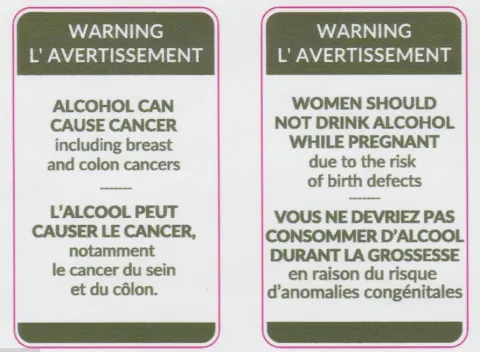
Implementing comprehensive health policies on alcohol consumption is one of the most effective population-level strategies that reduce the overall harms associated with alcohol use and empower communities to make healthier choices. This section highlights federal and regional initiatives and policies such as a warning label on alcohol products and safety campaigns on associated risks that allow consumers to make informed choices about alcohol consumption.
Federal
Regional
Policing and enforcement
Motor vehicle collisions involving alcohol continue to be a primary contributor to both mortality and morbidity from alcohol consumption in Canada. Impaired driving countermeasures such as comprehensive graduated licensing programs for new drivers and interlock programs are examples of evidence-based policies that have the potential to substantially reduce alcohol-related crashes and increase individual and public safety.
Federal
Regional
Pricing and Taxation
Increasing the cost of alcohol through measures like minimum unit pricing, special sales taxes, and markups is one of the most effective ways to reduce drinking and prevent alcohol-related harm. This section highlights federal and regional pricing initiatives and policies that impacts alcohol consumption and related harms.
Federal
Region
Retail Environments
Since 2023, several provinces have expanded retail alcohol availability, often citing economic benefits and consumer convenience. However, evidence shows that the social costs of alcohol exceed government revenue from alcohol sales by $6.4 billion annually in Canada.
Regional